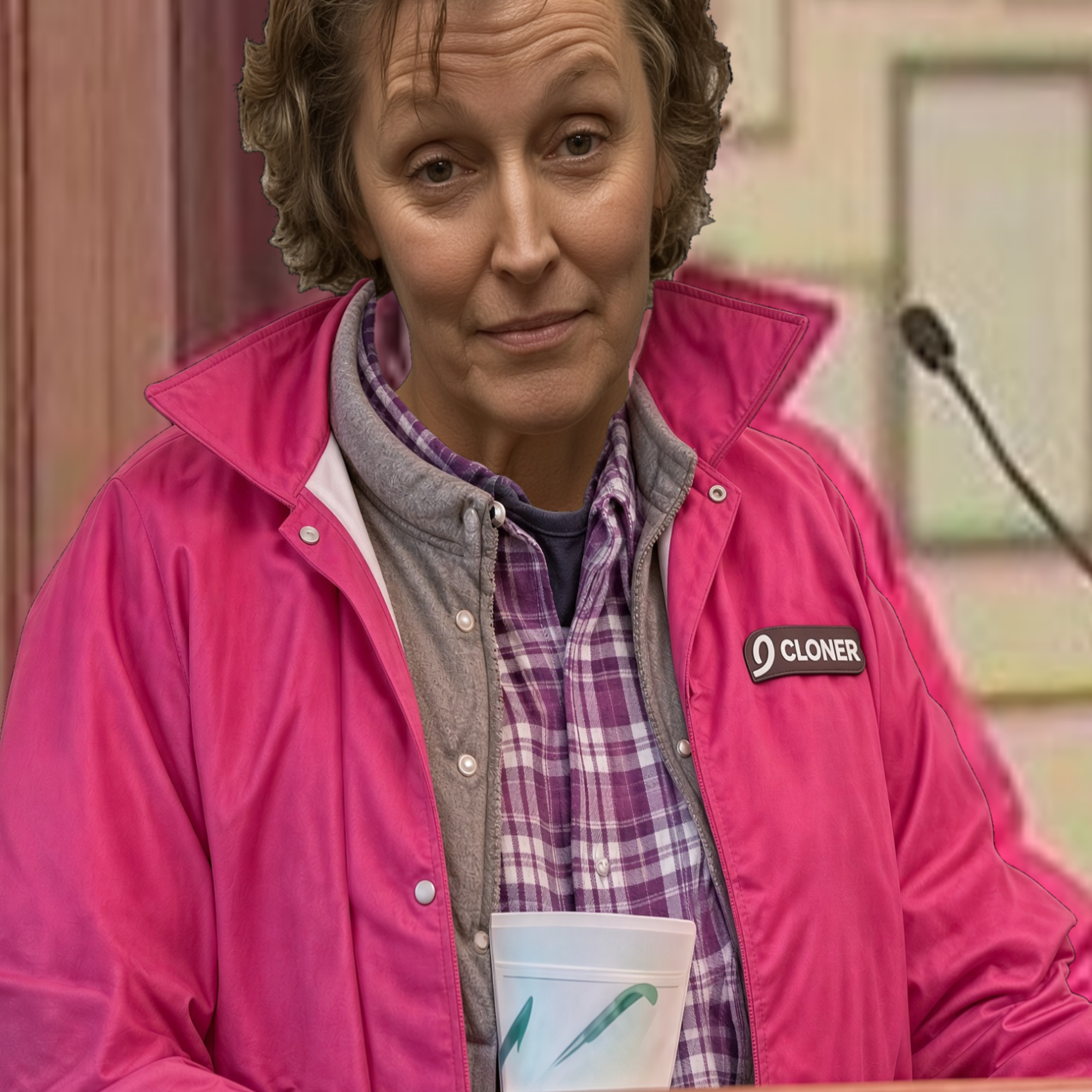
Mayor and 50 Year Ranger, gets put through the spanking machine.
 Kristen Withers
Contributor
Kristen Withers
Contributor
On Wednesday, October 7, the Bloomington City Council stripped $6,486,683 out of her proposed 2027 budget in six amendments, then postponed the final vote to October 14. The vacant-job cut does not yet include the benefit savings the controller still has to calculate. The administration had asked for a $171.4 million budget. It left City Hall with the largest pieces of discretionary spending held until the mayor comes back and asks again.
She also left the room once, in the middle of it.
What actually came off the page
The B Square’s amendment tally is the clean list:
- $3,000,000 held in the Housing Development Fund, 6–1, until the administration brings a specific use. Courtney Daily voted no. Dave Rollo and Kate Rosenbarger were absent.
- $2,500,000 taken off parking-system improvements. Unanimous.
- $600,000 cut from the planned transfer into sanitation, from $1.6 million to $1 million. Unanimous. The gap is expected to show up in trash-cart fees.
- $272,000 eliminated for a vehicle telematics system, 5–2.
- $104,683 removed for an unfilled transportation demand manager. Unanimous.
- $10,000 eliminated for branding in the mayor’s office. Unanimous.
What did not pass was Council President Isak Asare’s Amendment 16, a flat $2.5 million cut to the general fund. It failed 2–5. Asare and Matt Flaherty were the yes votes. The general fund as proposed was about $63.7 million against about $57.8 million in revenue, a gap of roughly $6 million to be covered from cash. Reserves were still projected in the $50 million range. Asare’s line, which the majority did not adopt, was the one that will age well: reserves do not make a recurring deficit sustainable.
The walkout
During the housing debate Thomson called the hold “layers and layers of red tape.” Hopi Stosberg called that disrespectful to the fiscal body and to the people who pay the taxes. Thomson left the chambers. Stosberg noted it for the record and for anyone watching at home.
Thomson came back and said cabinet members, staff, and the public have come to expect to be demeaned at that podium, and that staff have told her the council can feel like a hostile workplace. An engineering employee, Iris Bull, asked for less theater the next time the subject is dissolving a department or firing people, and described the week as demoralizing. Stosberg later apologized to employees whose jobs had been made to sound uncertain. She did not apologize for the amendments.
The mayor’s defense of the $2.5 million cut she did beat was that a cut of that size, this close to adoption, would harm services and scare staff. A serious restructuring, she said, would take six months and might not save money. The council’s answer, in the votes it did pass, was narrower: do not hand over $3 million for housing with no project list, do not hand over $2.5 million for parking systems the same way, and do not spend $10,000 branding an office that just asked the city to tighten its belt.
Annexation is why “got off easy” is the line in the county
None of this was about annexation. The critics who have been watching the west-side fight for a decade are going to treat it as if it were.
Through August 2024 the city’s own legal department put annexation spending at nearly $2.4 million in outside invoices since 2016: about $1.7 million to Bose McKinney & Evans and about $634,000 to Reedy Financial Group, plus smaller checks, and none of the city staff time. By June 2026 the outside legal bill to Bose alone was being cited at at least $2.18 million. The Indiana Supreme Court declined to take the city’s appeal on Areas 1A and 1B. In July a special judge capped what Bloomington owes the remonstrators’ lawyers at $37,500. State law caps their recovery. It does not cap what a city can spend trying to annex them.
That is the comparison. A decade of fiscal studies, legal memos, and consultant invoices, spent to add taxpayers who did not want to be added, and the city still lost. A single night in October took more than $6.4 million off a budget that was already planning to spend reserves, and the mayor’s office lost a $10,000 branding line on a unanimous vote. County residents who paid their own lawyers to stay out of the city limits are not going to call that a beating. They are going to call it light.
Less with more, then more with less
The city’s own budget page says Senate Enrolled Act 1 has already started cutting into local property-tax growth, with the worse years still ahead. The 2027 proposal answered that by adding no net new full-time jobs and still tapping reserves. Personnel costs were still headed up, on a 2.7 percent COLA plus steps.
That is the habit. For several years the city budgeted more than it spent, watched the reserves grow, and treated the surplus as proof of prudence rather than as money that never reached a street, a sidewalk, or a housing unit. The College and Walnut study sitting in the file has an implementation price on the order of $120 million. The housing fund Stosberg and Isabel Piedmont-Smith just put a hold on has less than $6 million in it and is not refilling fast enough to keep the current pace. The administration’s argument on Wednesday was that developers need to know the money is there. The council’s argument was that the public needs to know what it is buying.
An administration that has spent years doing less with more — studies, branding, a parking-system line with no project in front of the fiscal body, an annexation file that ran past $2 million and lost — is now being told the easy years are over. SEA 1 will enforce that whether this council does or not. Wednesday was the council deciding not to wait.
The final vote is October 14. The $6,486,683 is already off the ordinance. The mayor can walk back in and ask for the housing and parking money again. She will have to bring a list.
No thoughts yet — be the first.